- Niedostępny


Indeks: PLANNING OFFICE SPACES
When planning a new office, designers and their clients are faced with many challenges and questions. They have to think about practical issues such as spatial needs, proximity relations, IT infrastructure and furniture, but also more strategic issues such as occupancy costs, effectiveness of the working environment, and environmental impact. One of the most fundamental questions during the briefing stage concerns the office concept: what kind of office design best suits the working processes and culture of the organization? Should all employees have their own workstation or are they going to share desks? Would enclosed offices or a more open working environment be better?
When planning a new office, designers and their clients are faced with many challenges and questions. They have to think about practical issues such as spatial needs, proximity relations, IT infrastructure and furniture, but also more strategic issues such as occupancy costs, effectiveness of the working environment, and environmental impact. One of the most fundamental questions during the briefing stage concerns the office concept: what kind of office design best suits the working processes and culture of the organization? Should all employees have their own workstation or are they going to share desks? Would enclosed offices or a more open working environment be better? Perhaps a solution that holds the middle is best? How many and what kind of meeting spaces do we need? Planning Office Spaces is a clear, accessible book written to help solve these problems, looking at each of these issues in turn and showing the alternatives on offer and clearly indicating the advantages and disadvantages. It is ideally suited for both office designers and their clients to help them reach the best, most suitable office design while ensuring that they have considered all of the issues that need to be addressed.
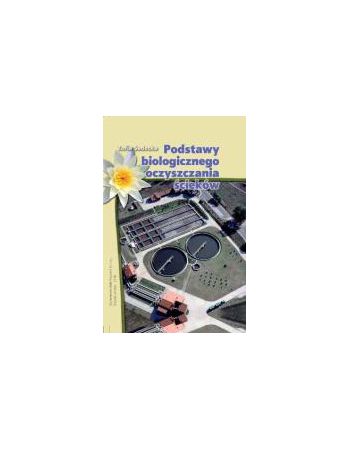
Unikatowe dzieło z opisem wszystkich aktualnie znanych i zbadanych procesów biologicznych, które są stosowane do biologicznego oczyszczania ścieków. Publikacja pozwala na lepsze zrozumienie procesów biologicznych i mikrobiologicznych zachodzących w reaktorach projektowanych przez inżynierów, czyli stanowi niejako brakujące ogniwo pozwalające inżynierowi na zrozumienie podstawowych procesów zachodzących podczas redukcji zanieczyszczeń.
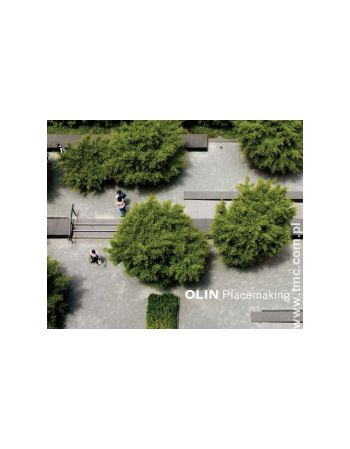
Dostępność:na zamowienie With increased attention to sustainability and environmental concerns, landscape architects now lead teams of urban planners and architects in developing new outdoor space and reconfiguring existing designs. As the preeminent landscape architecture firm in the United States, Olin is at the forefront of this movement with completed projects across the country and in Europe.
Meble, zwłaszcza stare, to jedyna grupa przedmiotów powszechnego użytku, których wartość wzrasta z wiekiem. Oprócz mebli, z wiekiem wzrasta jeszcze cena dzieł sztuki, nie są to jednak przedmioty powszechnego użytku, z drugiej strony wiele mebli można z powodzeniem uznać za dzieła sztuki. Obecna masowa produkcja wszystkiego sprawiła, że zniszczone, czy uszkodzone współczesne przedmioty codziennego użytku wyrzuca się nie myśląc nawet o ich naprawie, stare meble natomiast naprawia się i konserwuje. Każdego dnia produkuje się nadal nowe meble, można jednak zaobserwować wzrost popytu na usługi osób zajmujących się przywracaniem dawnej świetności meblom, którym warto tę świetność przywrócić. Tytuł książki sugeruje, że dotyczy ona starych mebli, co stanowi prawdę.
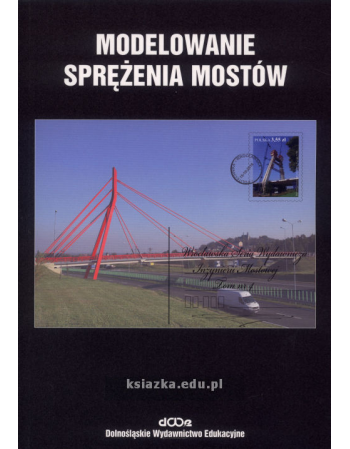
MODELOWANIE SPRĘŻENIA MOSTÓW autorstwa Czesława Machelskiego omawia sprężenie, które jest zamierzonym, projektowanym zabiegiem technicznym zmieniającym naturalny, powstały w wyniku grawitacji, układ sił wewnętrznych w konstrukcji.
W książce zawarte są też liczne przykłady dydaktyczne i obliczenia zrealizowanych projektów sprężenia mają ułatwić korzystanie z ogólnych (nie specjalistycznych) programów MES.
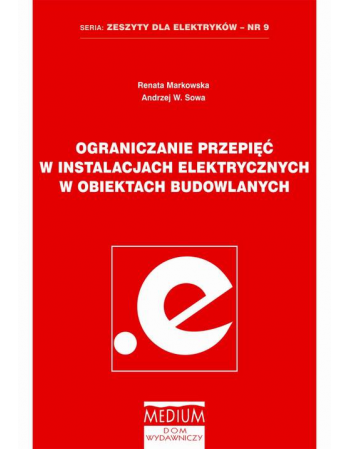
Publikacja OGRANICZANIE PRZEPIĘĆ W INSTALACJACH ELEKTRYCZNYCH W OBIEKTACH BUDOWLANYCH autorstwa Andrzeja Sowy, Renaty Markowskiej mówi o tym, że cechą charakterystyczną współczesnych urządzeń elektrycznych i elektronicznych jest ich stosunkowo niewielka odporność udarowa.
Dotyczy to zarówno odporności na bezpośrednie oddziaływanie impulsowego pola elektromagnetycznego, jak i odporności na działanie napięć i prądów udarowych dochodzących do tych urządzeń z sieci zasilającej oraz z linii przesyłu sygnałów. Znaczną część uszkodzeń urządzeń i systemów elektronicznych wywołują napięcia i prądy udarowe powstające podczas wyładowań piorunowych.
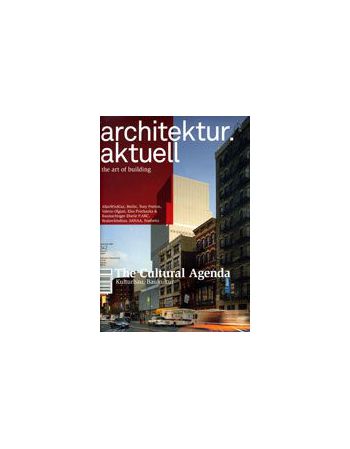
Dostępność: na zamówienie architektur.aktuell to najbardziej znane austriackie czasopismo związane z architekturą. Jest ono dwujęzyczne - teksty opracowane są zarówno w języku niemieckim i angielskim. Każdego roku ukazuje się 10 wydań architektur.aktuell w których znani krytycy opisują najnowsze projekty, realizacje i idee architektoniczne w Austrii i na całym świecie. Pokazane są one zarówno w świetnej jakości fotografiach jak również rysunkach, rzutach - w sumie oferując obszerną dokumentację każdego projektu.
Dostępność:na zamowienie Landscape Architecture Defining the Craft Holding to the highest standards of technical craft to create problem-solving landscapes that attain artful expression, Peter Walker and Partners (PWP) is responsible for some of most beautiful and iconic works of landscape architecture in the world.
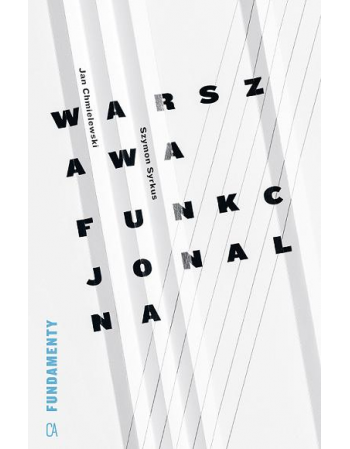
Po 79 latach od pierwszego wydania przypominamy WARSZAWĘ FUNKCJONALNĄ - odważną acz racjonalną wizję miasta przyszłości, kamień milowy polskiej i światowej urbanistyki. WARSZAWĘ FUNKCJONALNĄ odkurzamy jako receptę na współczesny miejski chaos - przede wszystkim sprawl i bezłądną suburbanizację. WARSZ AWA FUNKCJONALNA służy za wzór całościowego myślenia o mieście i otaczającym regionie.
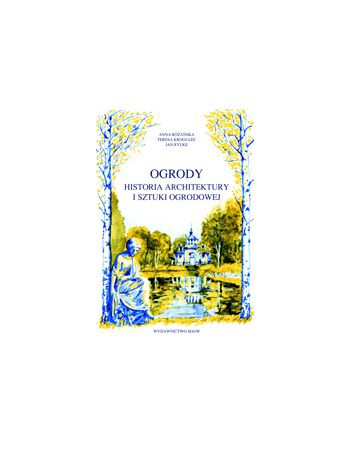
Niektóre zresztą są prawie nieprzystępne na rynku. Przyczyny te skłoniły autorów niniejszej książki do podjęcia tematu i ukazaniu zarysu europejskich i polskich tradycji architektury i sztuki ogrodowej w kontekście przemian społeczno-ekonomicznych.
Praca ta jest próbą podjęcia takiej współpracy w zakresie kształtowania warunków zdrowotnych zbudowanego środowiska wewnętrznego i przeanalizowania go w ujęciu architektoniczno-budowlanym. Celem pośrednim pracy jest zebranie informacji na temat zakresu zagrożenia zdrowia człowieka, jakie mogą występować w obiektach budowlanych. Chodzi o poszerzenie naszej wiedzy na temat zjawisk, które przy ograniczonym występowaniu wywoływać mogą jedynie uczucie dyskomfortu, ale w wyniku dłuższego oddziaływania, czy też w ekstremalnych warunkach, mogą prowadzić nawet do poważnego uszkodzenia naszego organizmu i choroby.

When planning a new office, designers and their clients are faced with many challenges and questions. They have to think about practical issues such as spatial needs, proximity relations, IT infrastructure and furniture, but also more strategic issues such as occupancy costs, effectiveness of the working environment, and environmental impact. One of the most fundamental questions during the briefing stage concerns the office concept: what kind of office design best suits the working processes and culture of the organization? Should all employees have their own workstation or are they going to share desks? Would enclosed offices or a more open working environment be better?