- Niedostępny

Indeks: Detail Practice - Glass in Build
Dostępność: na zamówienie "Glass in Building" opens up a whole range of fascinating design possibilities for the planning architect. Glass has long served as a translucent room closing element, but its range of possible uses is actually much wider. It not only offers protection against the external world, for example, noise or fire; despite its apparent fragility, it can even take on load-bearing functions in supporting structures.
Dostępność: na zamówienie "Glass in Building" opens up a whole range of fascinating design possibilities for the planning architect. Glass has long served as a translucent room closing element, but its range of possible uses is actually much wider. It not only offers protection against the external world, for example, noise or fire; despite its apparent fragility, it can even take on load-bearing functions in supporting structures. In combination with various different finishing methods, materials, and coatings, it also satisfies exacting structural-physical standards. "Glass in Building" offers a clear, compact, and illustrated overview of the material-appropriate use of this varied and versatile material in building construction and provides information that goes far beyond the basics on designing with glass and producing and using specialized glass products, as well as on the building and planning regulations that must be taken into account when constructing with glass. A selection of exemplary realized projects rounds out the theoretical section.
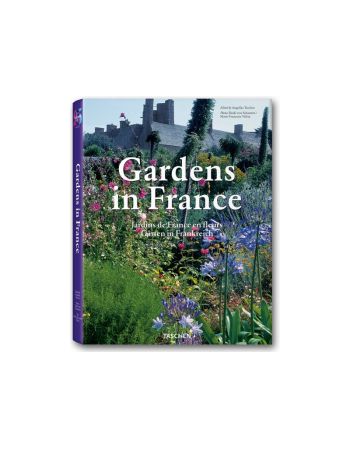
Dostępność:na zamowienie Paris, the supreme city of beauty and romance, has fueled the imagination of great writers, poets, painters, and lovers of life throughout the ages. But beyond Paris' outward charm and elegance lie hidden treasures around every beguiling corner.
XXI Międzynarodowa Konferencja Szkoły Naukowej HABITATY odbyła się pod hasłem ,,Habitaty proekologiczne". Dotyczyła niezwykle ważkiego dla współczesnego świata tematu poszukiwania proekologicznych sposobów kształtowania środowiska mieszkaniowego człowieka wobec postępującej degradacji ekologicznej i eskalacji demograficznej planety. Konferencja, trwająca 18-21 listopada 2009 r. obejmowała trzydniową sesję seminaryjną oraz warsztatową. Jako pierwszy został zaprezentowany cykl referatów o poszukiwaniach rozwiązań proekologicznych w rozwoju techniki przez podniesienie standardów produkcji i i wykorzystanie nowych rozwiązań materiałowych.
Bez profesjonalnie przygotowanej wizualizacji architektonicznej trudno sprzedać nawet najbardziej funkcjonalny pomysł. Obecnie żaden klient nie zapłaci za projekt architektoniczny, który opierać się będzie wyłącznie na opisie czy schematycznym rysunku przyszłego domu. Dlatego jest rzeczą niezmiernie ważną, by każdy architekt umiał stworzyć szczegółową prezentację proponowanych rozwiązań, z uwzględnieniem dokładnego wyglądu budynku i rozkładu pomieszczeń, widoku z różnych stron (od wewnątrz i od zewnątrz) oraz materiałów, z których będą wykonane poszczególne elementy domu.
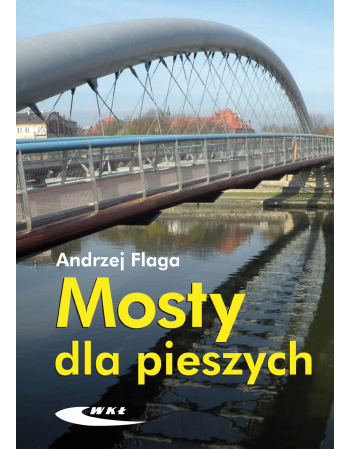
Duży nacisk położono na przedstawione bardzo wielu różnorodnych przykładów współczesnych rozwiązań architektonicznych, materiałowych i konstrukcyjnych mostów dla pieszych zbudowanych na całym świecie. Obszernie ukazano również mechanikę tych budowli, ich dynamikę i aerodynamikę, kryteria komfortu ich użytkowania oraz wykorzystanie różnych rodzajów tłumików drgań do ograniczenia wahań, a także wzór obliczeń dynamicznych i aerodynamicznych oraz badania modelowe mostów dla pieszych.
Idea miasta to pierwsze polskie wydanie klasycznej książki Josepha Rykwerta, dzięki której trafił on do grona najznakomitszych historyków i krytyków architektury. Trudno sobie wyobrazić sytuację, gdy formalny porządek uniwersum może być zredukowany do diagramu złożonego z dwóch przecinających się współrzędnych na płaszczyźnie. A dokładnie tak działo się w starożytności. Rzymianin spacerujący po cardo wiedział, że jest to oś, wokół której obraca się słońce, gdy szedł decumanus miał świadomość, że idzie drogą słońca. Całe uniwersum i jego sens mógł wyczytać z instytucji swojego miasta – czuł się w nim zadomowiony.
"Orla Kiely is a virtuoso of vintage pattern and design." - The Sunday Business Post "Whether you're a fan of Orla Kiely's cult retro patterns or not, it's hard to resist her second book." - Real Homes Internationally renowned designer Orla Kiely describes her career as 'a journey in pattern and colour'. Her distinctive palette, and graphic and stylized motifs in clean repeat constructions, have won her devoted fans across the world, and have helped to turn, what began as a small British business designing bags, into a global fashion, accessories and homeware brand.
W ksiażce omówiono stosowane obecnie w Europie i w Polsce metody projektowania elementów konstrukcyjnych i wybranych ustrojów żelbetowych. W rozważaniach teoretycznych i obliczeniach za punkt wyjścia przyjęto postanowienia Eurokodu 2 i zalecenia zawarte w zharmonizowanej z nim PN-B-03264:1999. W pracy zamieszczono liczne przykłady liczbowe, w których ukazano, jak praktycznie wdrażać przedstawione metody. Ksiażka przeznaczona jest dla studentów wydziałów budowlanych wyższych uczelni techniczych oraz inżynierów projektantów konstrukcji betonowych.
Badanie i stosowanie pali według Eurokodu 7! Stosowanie nowoczesnych rozwiązań zgodnie z Eurokodem 7 wymaga wzmożonej kontroli w całym procesie produkcji, wykonania, odbioru i eksploatacji fundamentów palowych. Istotne znaczenie mają warunki geologiczne, hydrogeologiczne i geotechniczne jako podłoże do posadowienia budowli. W tomie drugim przedstawiono: · badania statyczne i dynamiczne nośności pali, · pale i ustroje palowe obciążone siłami poziomymi, · zastosowania fundamentów płytowo-palowych, · oddziaływanie środowiskowe na fundamenty palowe i fundamenty głębokie. Książka bogato ilustrowana przykładami rozwiązań konstrukcyjnych i zdjęciami z placów budowy popartymi spostrzeżeniami praktycznymi Autora.
W pracy podano metody racjonalnego projektowania i wykonania oraz sposoby eksploatacji różnych typów zbiorników metalowych na ciecze i gazy. Dokonano analizy pod względem technicznym i ekonomicznym licznych zbiorników wykonanych w różnych krajach. W celu kompleksowego ujęcia tematu omówiono, na podstawie konkretnych przykładów , remonty realizowane przy wyłączeniu lub bez wyłączenia zbiornika z eksploatacji.
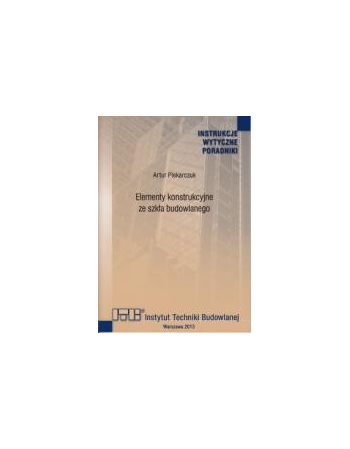
Przedmiotem poradnika są metody obliczeń statycznych nośności i odkształcalności elementów osłonowych oraz elementów nośnych ze szkła budowlanego.

Dostępność: na zamówienie "Glass in Building" opens up a whole range of fascinating design possibilities for the planning architect. Glass has long served as a translucent room closing element, but its range of possible uses is actually much wider. It not only offers protection against the external world, for example, noise or fire; despite its apparent fragility, it can even take on load-bearing functions in supporting structures.