- Niedostępny


Indeks: Hatch - The New Architectural Ge
Dostępność: na zamówienie "Hatch" showcases 114 architects who will define the physical fabric of our cities for the next 30 years, as well as the theoretical and interpretive background of architectural practice worldwide. These are practitioners for whom the old categories do not hold, and for whom modernism is no longer the orthodoxy.
Dostępność: na zamówienie "Hatch" showcases 114 architects who will define the physical fabric of our cities for the next 30 years, as well as the theoretical and interpretive background of architectural practice worldwide. These are practitioners for whom the old categories do not hold, and for whom modernism is no longer the orthodoxy. As the role of architects in cities changes, young practitioners pursue a range of work as writers, critics, curators, teachers, fashion designers, computer programmers, club promoters, materials experts, engineers, installation artists, developers and builders. Critically selected, the work of each architect, writer and photographer in "Hatch" is examined in detail to uncover the approaches that will reach their full fruition in the coming years and decades. In this work, 800 photographs and drawings of projects give more than just eye candy. With this book you can decide for yourself how good these young stars are.
\Poznawanie potężnej aplikacji, jaką niewątpliwie jest AutoCAD, jest poważnym wyzwaniem. Dużym ułatwieniem w procesie nauki jest odpowiedni podręcznik. W ogromnej masie informacji zawartej w wielkich tomiskach początkujący użytkownik poczuje się zagubiony. Takiej osobie potrzebna jest książka przedstawiająca podstawy korzystania z AutoCAD-a. Książka "AutoCAD 2005 PL. Pierwsze kroki" to idealny podręcznik dla tych, którzy dopiero rozpoczynają pracę z najpopularniejszym na rynku narzędziem do komputerowego wspomagania projektowania. Jasno i przejrzyście przedstawia wszystkie zagadnienia, naprawdę niezbędne dla początkującego użytkownika programu.
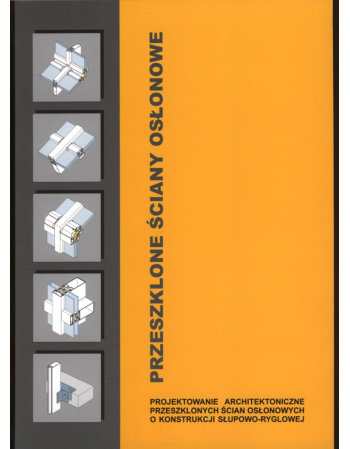
Częste są również przypadki zastosowań w budynkach istniejących, poddawanych renowacji, np. przy wykorzystaniu specjalnych rozwiązań w postaci ścian osłonowych tzw. „ciepło-zimnych“.W publikacji opisane zostały: lekkie ściany osłonowe o metalowej konstrukcji słupowo-ryglowej oraz modyfikacje ściany osłonowej o konstrukcji słupowo-ryglowej.
Podręcznik zawiera kompletny kurs tworzenia i kreślenia w dowolnej podziałce dokumentacji wyrobów dowolnej branży, za pomocą programów: AutoCAD 2009 lub AutoCAD LT 2009 oraz nowszych, w polskiej lub angielskiej wersji językowej. Zawarty w niej materiał pozwoli Czytelnikowi zrealizować samodzielnie wszystkie etapy projektowania bez konieczności dalszego szkolenia. Integralną częścią książki są przykłady i zadania, które można nieodpłatnie ściągnąć ze strony WWW Wydawnictwa. Przeważającą większość materiału stanowią ćwiczenia o znacznie szerszym zakresie niż w poprzedniej książce.
SolidEdge to program należący do grupy aplikacji MCAD -- wspomagających projektowanie konstrukcji mechanicznych. Za jego pomocą można wykonać przestrzenne modele części, podzespołów i zespołów, a następnie przygotować dokumentację techniczną projektowanej konstrukcji. SolidEgde może również współpracować z innymi aplikacjami inżynierskimi - obliczeniowymi, symulacyjnymi i wspomagającymi wytwarzanie.
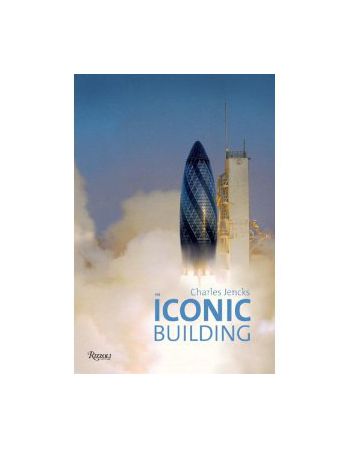
Charles Jencks, the leading architectural critic and writer, takes on "trendiness" in architecture: namely the rise of the "iconic building," instantly famous and distinctively recognizable structures like Norman Foster's "Gherkin" in London or Daniel Libeskind's Ground Zero designs in New York. Although there have always been buildings built to be instant icons such as palaces and cathedrals, Jencks sees this latest trend as being fueled by the real estate industry's thirst for profit and architects' outsize egos. Since the debut of Gehry's Guggenheim Bilbao, a roster of international architects has created iconic buildings that court publicity and controversy in equal measure.
Architektura VII dnia to ponad 3000 kościołów rzymskokatolickich zbudowanych w czasach PRL. Wznoszenie świątyń było wówczas znakiem zarówno wiary, jak i protestu przeciwko programowo ateistycznemu państwu. Wybudowane w czynie społecznym, ze zdobytych z trudem materiałów, kosmiczne formy kościołów stały się wyłomem w sztywnym szablonie architektonicznym scentralizowanego państwa. Znajdujące się w szarej strefie, a przez to nie do końca sformalizowane, budowy świątyń przyciągały utalentowanych architektów obietnicą twórczej wolności. Dziś stanowią one najbardziej oryginalne dziedzictwo polskiej architektury XX wieku. Książka Architektura VII dnia to pierwszy przewodnik po architekturze powojennych polskich kościołów.
W publikacji znajdziesz m.in. omówienie zmian, które weszły w życie w 2017 i 2018 r.
Niniejsza książka i Aplikacja stanowi zbiór programów i narzędzi pozwalających na automatyzację najczęściej powtarzanych czynności podczas tworzenia rysunku. Pomimo zastosowania pewnych, dosyć zaawansowanych rozwiązań (np. automatyczne tworzenie wykazu stali profilowej), system nie traktuje jednak projektowania całościowo. Inaczej mówiąc, korzystając z narzędzi Aplikacji nie można opracować całego rysunku. Użytkownik musi łączyć funkcje Aplikacji i standardowe polecenia AutoCAD-a. Dodatkowe narzędzia pozwalają na przyspieszenie pracy, ale zwalniają jedynie z pewnego zakresu czynności i obowiązków. Znajomość standardowych poleceń AutoCAD-a jest niezbędna, a im lepiej użytkownik pozna środowisko AutoCAD-a, tym sprawniej będzie korzystać z programu.
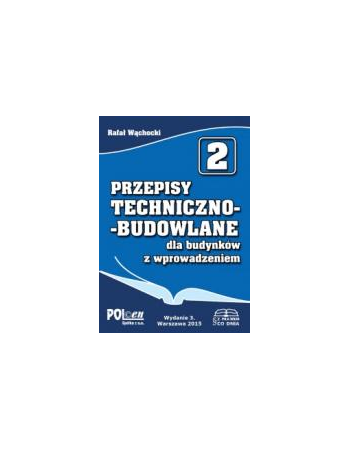
Książka, znajdująca się w serii wydawnictw „Z prawem co dnia” pod nr 2, zawiera pełne ujednolicone teksty dwóch rozporządzeń ministra odpowiedzialnego za budownictwo – ws. warunków technicznych, jakim powinny odpowiadać budynki i ich usytuowanie oraz ws. warunków technicznych użytkowania budynków mieszkalnych – wg stanu prawnego na dzień 1 kwietnia 2015 r. Rozporządzenia zostały poprzedzone wprowadzeniem omawiającym zmiany w aktach prawnych. Minister Transportu, Budownictwa i Gospodarki Morskiej dnia 5 lipca 2013 r. wydał rozporządzenie zmieniające rozporządzenie w sprawie warunków technicznych, jakim powinny odpowiadać budynki i ich usytuowanie (Dz.U. z 13 sierpnia 2013 r, poz. 926).
SolidWorks jest oprogramowaniem do trójwymiarowego projektowania komputerowego (3D CAD), oferującym najlepsze w swojej klasie funkcje modelowania bryłowo-powierzchniowego z możliwościami projektowania 2D. SolidWorks posiadawiele innowacyjnych rozwiązań pozwalających oszczędzić czas i wyróżniających go spośród innych systemów 3D CAD. Cechuje się wieloma udogodnieniami, które sprawiają, że proces projektowania ulega znacznemu skróceniu, dzięki czemu praca projektantów i inżynierów staje się bardziej efektywna. W ten sposób SolidWorks zapewnia przedsiębiorstwu szybsze wprowadzenie produktu na rynek.
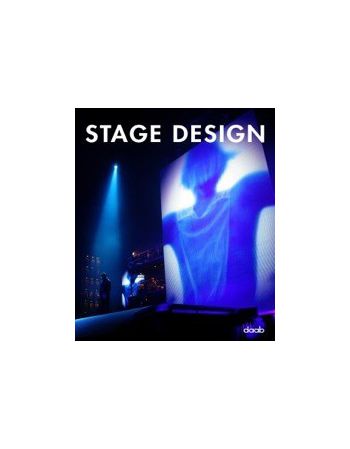
Dostępność: na zamówienie Nowadays stage designs reach proportions that by far exceed the classical definition of a stage as we know it from theater. Modern stage environments require increasingly more effort in terms of architecture and technology. For example LED screens of all shapes and sizes are becoming more important than ever, especially in the field of concert or television productions. Those two fields as well as musical, concert, opera and theater productions are documented in this volume photographed by Ralph Larmann.
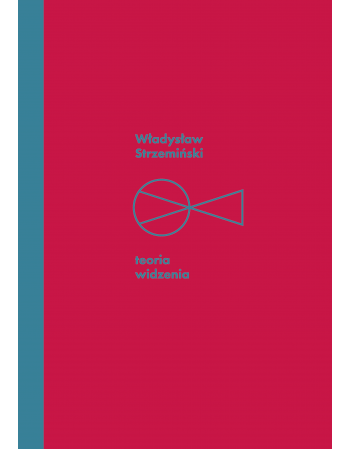
Status: nakład wyczerpany Co warunkuje sposób, w jaki postrzegamy rzeczywistość? Dlaczego starożytni Grecy ujmowali świat inaczej niż dwudziestowieczni artyści awangardowi? I co to jest realizm? Te kluczowe dla estetyki zagadnienia omawia w swojej „Teorii widzenia” Władysław Strzemiński. Wydane po raz pierwszy w 1958 roku i wznowione przez Muzeum Sztuki w Łodzi dzieło to zbiór wykładów z historii sztuki wygłoszonych przez artystę, zanim został zwolniony przez władze PRL z Wyższej Szkoły Sztuk Plastycznych z powodu nieprzestrzegania kanonów socrealizmu. W dziele tym Strzemiński podsumował teoretycznie swą działalność artystyczną i refleksję estetyczną.
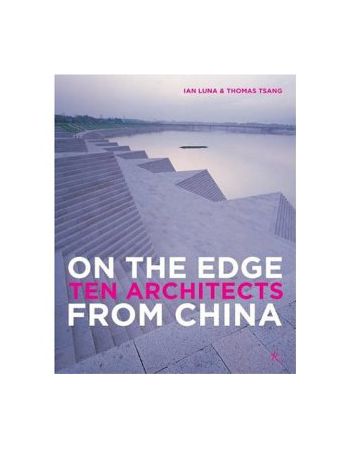
Dostępność: na zamówienie The People's Republic of China is currently the largest market for architectural services in the world, and its cities—sites of the greatest economic migration in modern history—are rapidly being transformed into rival centers for global trade and commerce. On the Edge: Ten Architects from China is an unprecedented critical anthology on new architecture in China, the first book of its kind devoted to the development and maturation of an indigenous approach to modern architecture and urbanism in China.
Punktem wyjścia nie jest historia architektury, wielcy twórcy, przegląd stylów czy przeznaczenie budynków, choć wszystko to jest w książce jakoś obecne, punktem wyjścia są różne, kolejne stopnie kontaktu z budynkiem.

Dostępność: na zamówienie "Hatch" showcases 114 architects who will define the physical fabric of our cities for the next 30 years, as well as the theoretical and interpretive background of architectural practice worldwide. These are practitioners for whom the old categories do not hold, and for whom modernism is no longer the orthodoxy.