- Niedostępny



Indeks: 100 Contemporary Wood Buildings
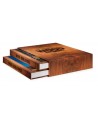
Not so very long ago, some might have considered wood a material of the past, long since replaced by more modern components such as concrete and steel. The truth is radically different. Bolstered by new manufacturing techniques and ecological benefits, wood has seen a fabulous resurgence in contemporary construction. This double-volume survey explores how architects around the world have created and invented with this elementary material. Featuring follies, very large buildings, and ambitious urban renewal schemes, it celebrates the diverse deployment of wood by architects around the world.
Not so very long ago, some might have considered wood a material of the past, long since replaced by more modern components such as concrete and steel. The truth is radically different. Bolstered by new manufacturing techniques and ecological benefits, wood has seen a fabulous resurgence in contemporary construction. This double-volume survey explores how architects around the world have created and invented with this elementary material. Featuring follies, very large buildings, and ambitious urban renewal schemes, it celebrates the diverse deployment of wood by architects around the world. We see how wood can at once transform urban spaces, as in the Metropol Parasol in Seville by Jürgen Mayer H., and allow for sensitive interventions in natural environments, such as at the Termas Geométricas Hot Springs Complex in Pucón, Chile, by Germán del Sol. True to all TASCHEN architecture tomes, the book pays tribute to many emerging international talents as well as to such renowned figures as Tadao Ando to Renzo Piano. It celebrates each architect’s vision and innovation, as well as investigating the techniques, trends, and principles that have informed their work with wood. It examines the computer guided milling that has allowed for novel new forms, the responsible harvesting that allows wood to align with our environmental concerns, and, above all, wood’s enduring appeal to our senses and psyche, comforting hectic modern lives with a sense of Arcadian simplicity.
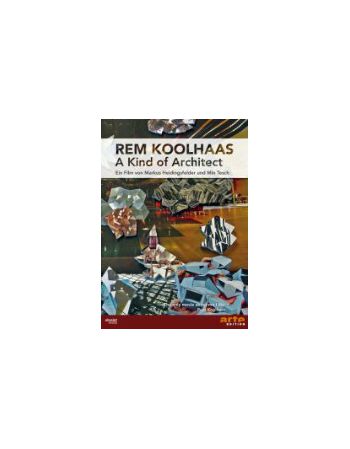
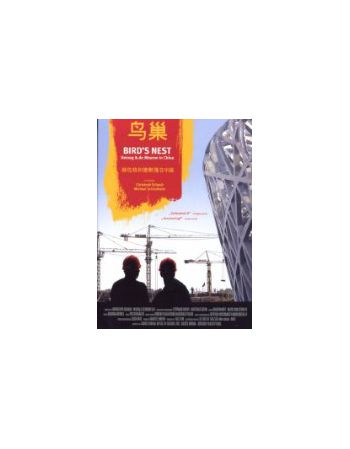
Dostępność: na zamówienie Film z polskimi napisami Film opowiada o trzech realizacjach Rema Koolhaasa i jego biura OMA – ambasadzie holenderskiej w Berlinie, Casa Musica w Porto i bibliotece w Seattle. Pyta o fenomen Rema Koolhaasa jako postaci medialnej i jego świadomie kreowanego gwiazdorstwa. Dla twórców filmu ważna jest też kwestia związków pomiędzy jego realizacjami, a teorią architektury. Prezentacja filmu o Remie Koolhaasie będzie doskonałą okazją do rozmowy o architekturze poszukującej i jej statusie w Polsce. O architekturze jako dziedzinie twórczości i architekcie jako twórcy i uczestniku procesu inwestycyjnego. Film opowiada też o tym, jak architektura wedle Koolhaasa łączy w sobie pisarstwo, reżyserię i rzemiosło.
Książka zawiera pełne ujednolicone teksty ustawy – Prawo budowlane oraz wybranych przepisów wykonawczych z wprowadzeniem.
Autorska Pracownia Architektury Kuryłowicz & Associates jest jedną z najlepiej znanych i najczęściej nagradzanych firm architektonicznych w Polsce. Istnieje od 1990 roku. Prezesem pracowni jest Stefan Kuryłowicz, a jedną z głównych projektantek – Ewa Kuryłowicz. Liczący ponad 50 osób zespół pracowni tworzą w ogromnej większości ich dawne studentki i studenci. Każdy z nich jest odrębną indywidualnością twórczą, a elementem cementującym tak różnorodną i barwną ekipę jest wyznawanie wspólnych wartości intelektualne podejście do architektury i przekonanie, że każdy temat to osobne wyzwanie. Publikacja ilustruje najważniejsze realizacje pracowni z lat 1997-2007.
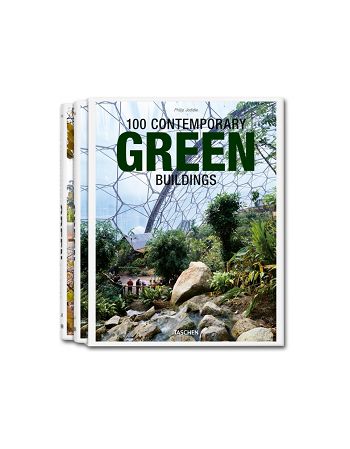
Where the grass really is greener Eco-friendly building in the world today The most exciting new buildings in the world are now almost all environmentally aware, sustainable, and conceived to consume far less energy than ever before. That architecture is one of the major sources of greenhouse gases in the world makes this new trend all the more significant. This book brings the best examples of green projects from the Architecture Now! series together with numerous new, never-seen-before projects. Well-known architects like Frank Gehry and Norman Foster are present right alongside young, up-and-coming creators from Latin America, the United States, Europe, and Asia.
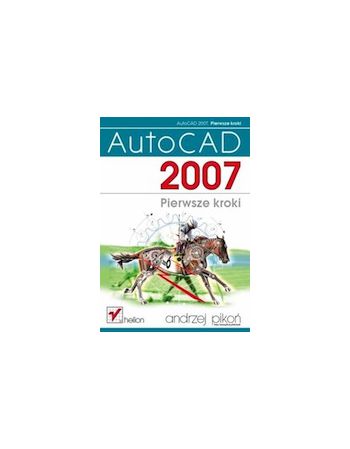
Aplikacje służące do komputerowego wspomagania projektowania, oznaczane skrótem CAD, bardzo ułatwiają pracę projektantów. Na tym rynku od wielu lat standardy wyznacza flagowy produkt firmy Autodesk -- program AutoCAD, zasłużenie cieszący się uznaniem użytkowników. Połączenie potężnych możliwości z łatwością obsługi czyni AutoCAD-a idealnym narzędziem dla projektanta. W każdej nowej wersji programu producent wprowadza nowe funkcje oraz udoskonala od dawna istniejące.
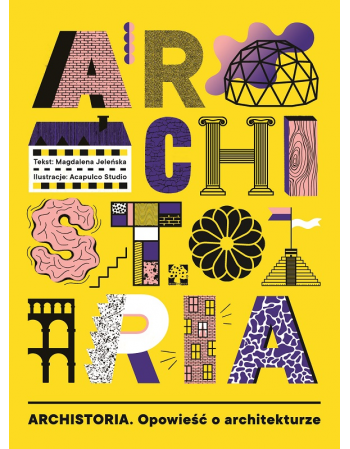
Zobacz jak dawna elektrownia w Londynie została przeistoczona w nowoczesną galerię. Czy potrafisz porównać kopuły Tadż Mahal i bazylikę św. Piotra? A może zastanawiasz się po co powstał łuk triumfalny w Paryżu, a czemu służy łuk w St. Louis? Czy wiesz co łączy Koloseum z operą w Sydney? Przeczytaj ciekawą historie o architekturze Archistorię napisaną przez Magdalenę Jeleńską i znajdź odpowiedzi na te pytania.
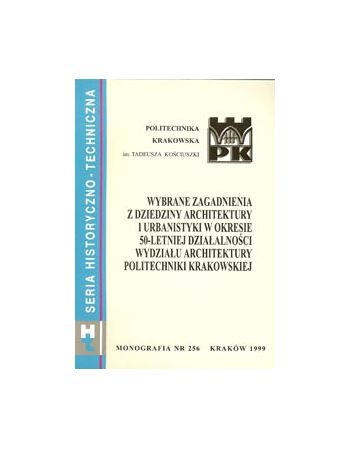
Ze wstępu: "Niniejsza monografia tematycznie związana z 50-leciem Wydziału Achitektury Politechniki Krakowskiej jest opracowaniem o szczególnym znaczeniu, ilustrującym dorobek i twórczą kontynuację tradycji Szkoły Krakowskiej zarówno w zakresie badań naukowych, kształcenia architektów i urbanistów, jak i działalności projektowej i twórczej.
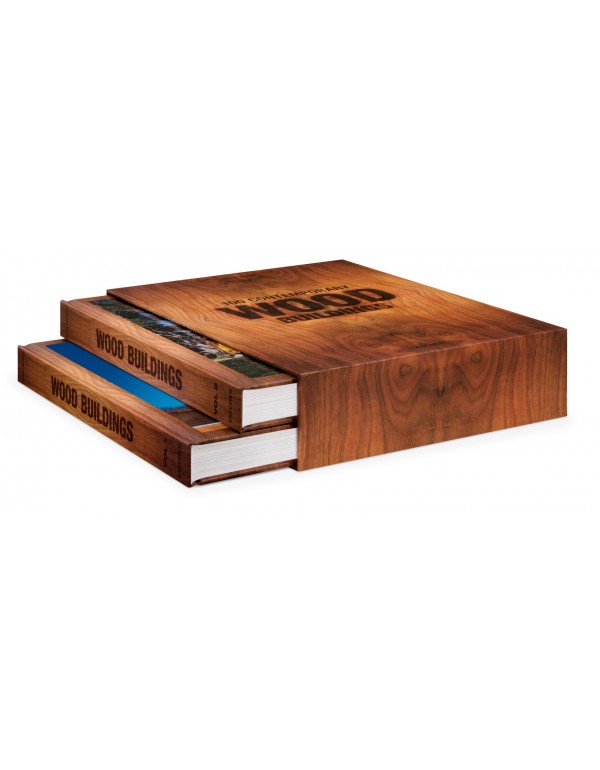
Not so very long ago, some might have considered wood a material of the past, long since replaced by more modern components such as concrete and steel. The truth is radically different. Bolstered by new manufacturing techniques and ecological benefits, wood has seen a fabulous resurgence in contemporary construction. This double-volume survey explores how architects around the world have created and invented with this elementary material. Featuring follies, very large buildings, and ambitious urban renewal schemes, it celebrates the diverse deployment of wood by architects around the world.