- Niedostępny


Indeks: Pedestrian Zones: Car Free Urban
In 2009, plans by New York mayor Michael Bloomberg to transform part of Broadway including Times Square into a pedestrian area caused a sensation, not just in the city but internationally. Urban areas where pedestrians have right of way over vehicles are becoming increasingly important in the modern city and have enjoyed growing popularity since the 1950s. Not only do they increase the quality of life of the residents, they also become an increasingly important locational factor. In general there are two types of pedestrian zones: the first serves primarily as an alternative transit route without cars, while the second is dedicated to shopping and entertainment in the form of traffic-free shopping streets and open pedestrian areas within shopping malls.
In 2009, plans by New York mayor Michael Bloomberg to transform part of Broadway including Times Square into a pedestrian area caused a sensation, not just in the city but internationally. Urban areas where pedestrians have right of way over vehicles are becoming increasingly important in the modern city and have enjoyed growing popularity since the 1950s. Not only do they increase the quality of life of the residents, they also become an increasingly important locational factor. In general there are two types of pedestrian zones: the first serves primarily as an alternative transit route without cars, while the second is dedicated to shopping and entertainment in the form of traffic-free shopping streets and open pedestrian areas within shopping malls. Based on a careful selection of projects this volume presents the functional and design variety of these popular urban spaces.
Piranesi's fantastic worlds The great 18th century architectural artist and master engraver "Piranesi was as savage as Salvator Rosa, fierce as Michelangelo, and exuberant as Rubens… he has imagined scenes that would startle geometry and exhaust the Indies to realize."
In the ryokan, the traditional Japanese guesthouse, building and landscape are melded in harmonic unity. The customs, art, and history of Japan become a vivid, personal experience. - Richly illustrated articles discussing art forms, ways of life, and traditional rituals in ancient Japan: architecture, painting, color woodcuts, ceramics, ikebana, select foods, clothing, no theater, martial arts, seasonal festivals, and more - Extensive glossary of terms relating to Japanese culture - High quality pictures by the internationally recognized photographers Narimi Hatano and Klaus Frahm A stay in a ryokan is far more than an overnight in a Japanese hotel - it is a journey through time that allows you to become a guest in Old Japan.
W opracowanym skrypcie omówiono problemy dotyczące struktury, funkcjonowania oraz zmian zachodzących w krajobrazie. Opisane zostały również zagadnienia związane z roślinnością seminaturalną. Przedstawiono metody fitosocjologiczne jako bazę do działalności osób zajmujących się kształtowaniem krajobrazu. Poruszono również tematykę dotyczącą stabilności układów przyrodniczych oraz oddziaływania człowieka na krajobraz. Na szczególną uwagę zasługuje rozdział poświęcony waloryzacji, w którym przedstawiono badania nad atrakcyjnością wizualną, podstawy oceny oraz zastosowanie modeli i technik GIS-owych w opisie krajobrazu.
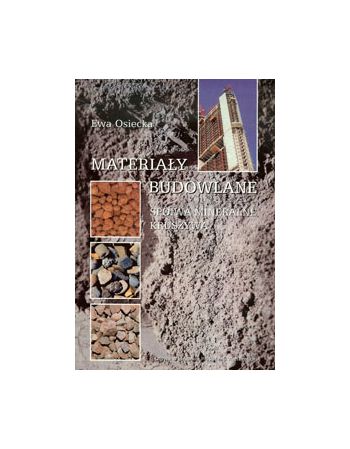
Odbiorcami książki są przede wszystkim inwestorzy indywidualni, bowiem może ona ułatwić dokonanie wyboru materiałów na planowaną budowę domu.
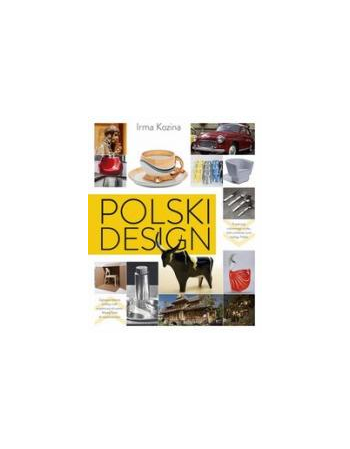
Warto zdać sobie sprawę, że na polską markę artyści, architekci, konstruktorzy i projektanci pracują już od początku 1900 roku. Innowacyjne i kreatywne pomysły, które czerpią inspiracje z polskiej kultury, zachwycają od lat.
Praca zawiera odpowiednio uporządkowany zakres wiedzy o podstawach wytwarzania, klasyfikacji, charakterystycznych właściwościach technicznych, kierunkach i zakresie stosowania w budownictwie - spoiw mineralnych (wapiennych, gipsowych, cementowych) oraz kruszyw mineralnych zwykłych i lekkich (sztucznych, odpadowych) - wykorzystywanych szeroko w technologii betonów i zapraw. Wobec zmian wynikających z wprowadzenia w kraju norm europejskich szczególna uwaga została zwrócona na nowe wymagania normowe i klasyfikacje omawianych materiałów budowlanych w świetle ostatnio ustanowionych norm PN-EN.
Ważnym elementem kulturowego dziedzictwa Łodzi są synagogi, świadczące o roli, jaką niegdyś w mieście odgrywała społeczność żydowska. Budowle te zniknęły z krajobrazu miasta w czasie II wojny światowej. By ocalić od zapomnienia obiekty, po których dziś pozostały już tylko puste place, podjęto próbę zrekonstruowania nieistniejących łódzkich synagog, wykorzystując możliwości, jakie współcześnie daje technika komputerowa. Prezentowana książka przedstawia efekty podjętych działań.
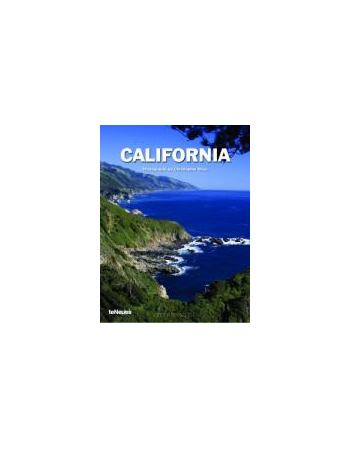
Dostępność: na zamówienie Photographer Chris Bliss grants us an astounding overview of one of the most varied and beautiful landscapes on Earth … California. In approximately 100 captivating photographs, we experience the wonders of this enchanting place. From desert vistas to panoramas of snow-capped mountains, from wildflowers meadows to pristine lakes still as mirrors, not to mention the vitality of life in its famous cities … it’s all here. Gaze upon the bands of intrepid surfers cruising magnificent waves, or marvel at a time-lapse image of cars as they cruise the neon-studded landscape of Santa Monica. And, of course all of the iconic images of California are amply represented.

In 2009, plans by New York mayor Michael Bloomberg to transform part of Broadway including Times Square into a pedestrian area caused a sensation, not just in the city but internationally. Urban areas where pedestrians have right of way over vehicles are becoming increasingly important in the modern city and have enjoyed growing popularity since the 1950s. Not only do they increase the quality of life of the residents, they also become an increasingly important locational factor. In general there are two types of pedestrian zones: the first serves primarily as an alternative transit route without cars, while the second is dedicated to shopping and entertainment in the form of traffic-free shopping streets and open pedestrian areas within shopping malls.