- Niedostępny


Indeks: LE CORBUSIER 2
Głównym celem podręcznika jest równoczesne zgłębianie teorii i rozwiązywanie zadań. Znajduje się tu około 644 zadań z mechaniki płynów i hydrauliki, w tym prawie połowa to zadania z rozwiązaniami. Ponadto w 12 wstępach, poprzedzających każdy rozdział, czytelnik znajdzie krótkie wprowadzenie do tematyki zadań, obejmujące w gruncie rzeczy całość materiału wykładanego na uczelniach technicznych w ramach przedmiotu zwanego mechaniką płynów lub hydrauliką. Zadania o bardziej skomplikowanej tematyce mogą być również pomocne projektantom układów hydraulicznych i aerodynamicznych przy rozwiązywaniu wielu problemów technicznych.
New Green Homes presents the latest innovations in sustainable architecture and design. Projects include "green" houses, apartments, lofts, and cabins, and explore various aspects of environmentally-friendly design from its ecological and economical benefits to the factors that need to be considered when choosing materials, such as the amount of energy that went into manufacturing the product; its sustainability; the life-expectancy of its materials; and the question of if the materials used can be recycled or safely disposed of if they break down over time. Specific topics covered include climate regulation, drainage systems, and regional planning.
Dostępność: na zamówienie Od czasów gdy duet Annette Gigon oraz Mike Guyer zyskał uznanie w świecie architektury minęło wiele lat, w tym okresie powstało wiele prowokujących projektów i koncepcji... Ich wizje widoczne są na zawartych tu przykładach takich projektów jak Muzeum Transportu w Lucernie, który widoczny jest na okładce tego wydania El Croquis, magazyn artystyczny dla Galerii Henze & Ketterer, Centrum Sztuki Löwenbräu wraz z towarzyszącą mu wieżą mieszkalną oraz biurami, oraz znany projekt domu jednorodzinnego w kantonie Graubünden.
Publikacja zawiera: precyzyjne określenie funkcji, jaką ma pełnić w przyszłości, analiza schematu konstrukcyjnego, określenie obciążeń i czynników destrukcyjnych, a następnie na tej podstawie przyjęcie poprawnych technicznie rozwiązań materiałowo-konstrukcyjnych (będą to systemowe izolacje przeciwwilgociowe, izolacje termiczne, urządzenia odwadniające, wreszcie systemowe rozwiązania materiałowe ochrony strukturalnej i powierzchniowej).
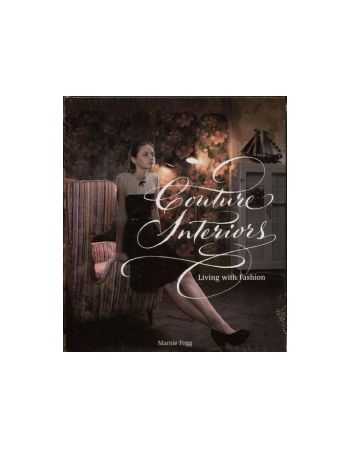
Dostępność:na zamowienie Examining the imaginative and compelling way in which fashion has permeated 21st century culture, this book considers the relationship between fashion on the catwalk and architecture, interiors and products. Many fashion designers extend their aesthetic into interiors and products for the home as a natural progression from clothing the body. The home is now subject to the same directional trends as fashion, in part because so many designers are extending their practice to include interiors, as well as products and accessories. The fusion between fashion and interiors has never been more relevant.
India is diverse, multilayered, and rich in traditions with a past still passing by.
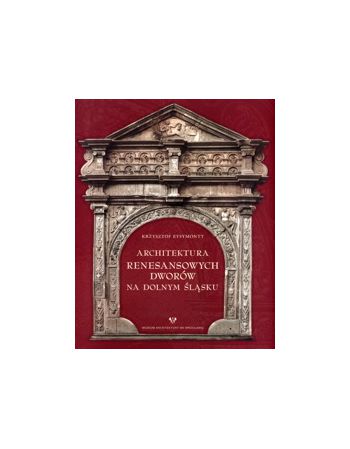
Pięknie wydana i bogato ilustrowana książka jest pierwszym, a zarazem kompletnym opracowaniem unikatowego w skali europejskiej zjawiska, jakim są dwory śląskie. Prezentowana w niej jest bogata dokumentacja fotograficzna ukazująca stan obecny obiektów, ikonografia w postaci m.in. rysunków F.B.Wernera i B. Mannfelda, rycin F.G.Endlera czy T. Blatterbauera, fotografie archiwalne, a także rzuty wszystkich budynków oraz zachowane elementy wystroju. Redaktorem naukowym książki jest kustosz Muzeum Architektury, pani Beata Fekecz-Tomaszewska.
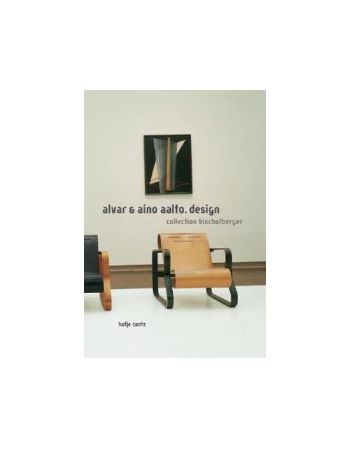
Dostępność: na zamówienie Hugo Alvar Henrik Aalto (1898-1976), the most important Finnish architect of the twentieth century, was also one of the most noteworthy modern furniture designers. His bentwood Paimio Chair is regarded along with comparable seating furniture by Marcel Breuer, Ludwig Mies van der Rohe and Charles Eames as one of the incunabula of twentieth-century design. His complete system of furniture-including stools, chairs, armchairs and a tea trolley with oversized wheels, all characterised by curving lines-was considered exemplary and acquired by the New York Museum of Modern Art as early as 1938.
Niniejsza praca porusza szereg zagadnień związanych z problematyką ochrony architektury i budownictwa drewnianego oraz udziału w procesie praktycznej realizacji zadań ochronnych konserwatorów zabytków i muzealników-etnografów. Ma ona w znacznej mierze charakter historyczny. W rozdziale pierwszym omawiane są zagadnienia związane z narodzinami zainteresowań polską architekturą drewnianą i budownictwem ludowym w XIX wieku oraz problemy dotyczące tworzenia się prawnych podstaw jej ochrony.