- Niedostępny


Indeks: Beckmann
Max Beckmann (1884-1950) found his central theme in the loneliness of the twentieth century man, threatened by catastrophe and torn between materialism and freedom of mind and spirit. His early pictures showed the influence of Impressionism, with a preponderance of biblical, historical, and allegorical themes. World War I made a deep impression on him: somewhere between Expressionism and Neue Sachlichkeit (New Objectivity), the succinct forms and hard contours in his memorable paintings and graphic works showed man at the limit of physical and mental endurance. Later, the harshness and severity of his style softened and his colors became more radiant, but the monumentality remained.
Max Beckmann (1884-1950) found his central theme in the loneliness of the twentieth century man, threatened by catastrophe and torn between materialism and freedom of mind and spirit. His early pictures showed the influence of Impressionism, with a preponderance of biblical, historical, and allegorical themes. World War I made a deep impression on him: somewhere between Expressionism and Neue Sachlichkeit (New Objectivity), the succinct forms and hard contours in his memorable paintings and graphic works showed man at the limit of physical and mental endurance. Later, the harshness and severity of his style softened and his colors became more radiant, but the monumentality remained. Theater, circus, and music hall became parables of human existence. Beckmann's work is concerned with the fundamental conditions of human existence and the tragic entanglement of the human being dependant on the whims of gods, sexuality, and society. His relentless search for knowledge, his uncompromising commitment to the picture, and his belief in the power of its form and color give his work its distinctive, fascinating character, and have earned him a high-ranking place among the artists of the twentieth century. This monograph features more than 180 images of works from 1907 to 1950, including many of Beckmann's famous self-portraits and triptychs (such as Temptation of 1936/1937). Biographical essays cover his war years, the twenties in Frankfurt, his exile years in Amsterdam, and his emigration to the United States where he died; additional material includes photographs on which many of his paintings are based, several exhibition shots, and images from other artists as Pablo Picasso, Eugène Delacroix, Max Ernst, and Edvard Munch that visualize Beckmann's inspirations and context.
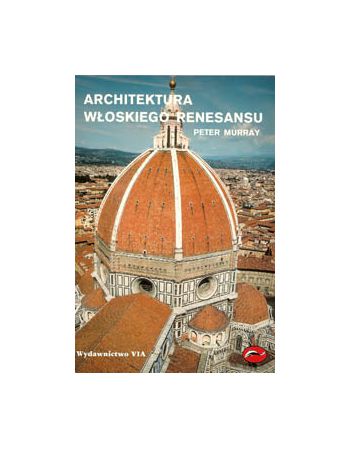
Architektura renesansowa, która pojawiła się około roku 1420 we Florencji w dziełach Brunelleschiego i Albertiego, osiągnęła swój szczyt w następnych pokoleniach wraz z pojawieniem się takich geniuszy dojrzałego renesansu, jak Bramante, Sanmicheli, SangalIo, Peruzzi, Sansovino i Michał Anioł. Ich twórczość w sposób jasny i z wyczuciem omawia profesor Murray. Była to nie tylko epoka niezrównanych osiągnięć architektonicznych w samej Italii. Dostarcza ona także klucza do zrozumienia rozwoju architektury w pozostałych krajach Europy w ciągu następnych trzech stuleci.
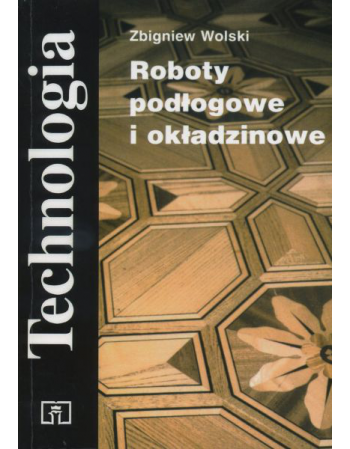
W książce ROBOTY PODŁOGOWE I OKŁADZINOWE autorstwa Zbigniewa Wolskiego wskazano wykonywanie podkładów, izolacji i nawierzchni podłóg oraz okładzin ściennych z różnych materiałów z zastosowaniem odpowiednich maszyn i urządzeń oraz sprzętu pomocniczego.
Oprócz tego przedstawiono podział, przeznaczenie i właściwości materiałów budowlanych stosowanych w robotach podłogowych oraz zasady organizacji robót i stanowisk roboczych, wymagania bhp oraz warunki techniczne wykonywania i odbioru. Niniejsza książka przeznaczona jest dla uczniów szkoły zasadniczej, zawód: posadzkarz.
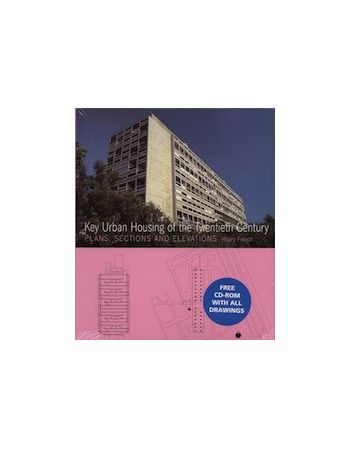
Dostępność: na zamówienie The design of multiple housing - a new building type, especially for growing urban populations - was a major new area of activity for architects at the beginning of the twentieth century, and one that continues into the twenty-first century. This book features 87 of the most influential modern housing designs of the last 100 years by some of the best-known architects in the field. Each project is explained with a concise text and photographs and specially created scale drawings, including floor plans and site plans, sections and elevations where appropriate.
Dostępność: na zamówienie Nowa seria przewodników architektonicznych wydawnictwa PHAIDON - tom Bilbao Wallpaper* City Guides to seria przewodników architektonicznych, małych edycji ze znakomicie opracowaną listą najlepszych lokalizacji jakie może zaoferować miasto dla podróżnika poszukującego najlepszego design i architektury. W każdym znajduje się dokładna, informacyjna lista z wszystkimi elementami, które powinniśmy wiedzieć na temat tych najbardziej wybijających się aglomeracji.
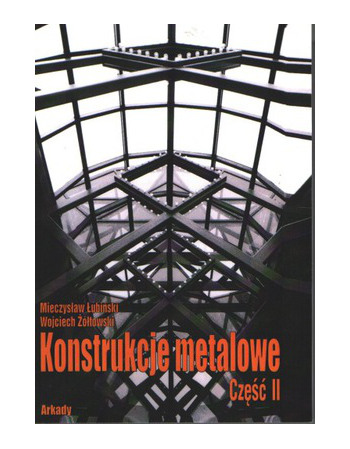
Pokazano także normy projektowania konstrukcji aluminiowych oraz główne zasady, jakimi - w aspekcie projektowania - należy się kierować przy tworzeniu konstrukcji metalowych. W stosunku do wydania poprzedniego wprowadzono daleko idące zmiany, wynikające przede wszystkim z nowelizacji norm przedmiotowych dotyczących poszczególnych typów konstrukcji.
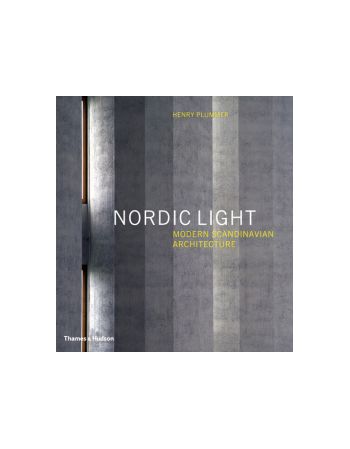
This book celebrates established icons, newly discovered gems and contemporary masterworks that represent the highest expression of Scandinavian design and response to their environment. Fifty projects are featured in detail, ordered according to the way in which different light conditions have imparted particular qualities on the buildings. Henry Plummer treats his subject from a uniquely authoritative perspective in which his words resonate directly with his artfully taken images.
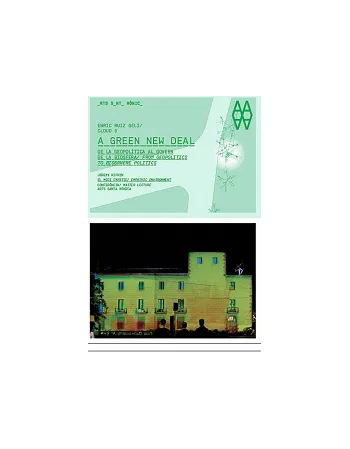
The number one cause of Global warming is Architecture - the buildings. Buildings are responsible for 40% of the Co2 that is emitted into the atmosphere. The architects must take this responsibility and move from geopolitics towards biosphere politics. A Green New Deal is a real test of how this can be achieved. The context for the intervention is an existing historic building in Barcelona, the Centre of Arts Santa Monica; a building to explore the Third Industrial Revolution as the potential of a transformation towards an empathic architecture. Nature should let us show the path.
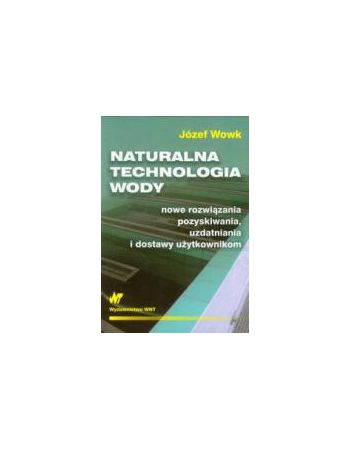
Niniejsza publikacja omawia nowe rozwiązania pozyskiwania wody, jej uzdatniania oraz dostawy użytkownikom. Twórca ukazał oryginalny materiał, wnoszący w dziedzinę budowy wodociągów bardzo duży ładunek innowacyjności zarówno w zakresie budowy ujęć głębinowych, jak i funkcjonowania układów uzdatniania wody. Opisał występowanie oraz ochronę wód podziemnych i ich rozpoznawanie i pozyskiwanie. Ukazał stację wodociągowe, pompownie napowietrzne, zbiorniki (otwarte i zamknięte) reakcji z zawieszonym osadem i również drenaż filtrów żwirowych. Omówił dwukomorowe filtry otwarte, filtry zamknięte z przegrodą i stacje uzdatniania z filtrami otwartymi. Scharakteryzowaną problematykę poparł przykładami oraz opisami technologii, które wdrożył osobiście.

Max Beckmann (1884-1950) found his central theme in the loneliness of the twentieth century man, threatened by catastrophe and torn between materialism and freedom of mind and spirit. His early pictures showed the influence of Impressionism, with a preponderance of biblical, historical, and allegorical themes. World War I made a deep impression on him: somewhere between Expressionism and Neue Sachlichkeit (New Objectivity), the succinct forms and hard contours in his memorable paintings and graphic works showed man at the limit of physical and mental endurance. Later, the harshness and severity of his style softened and his colors became more radiant, but the monumentality remained.