- Niedostępny


Indeks: ARCHIPRIX 2006 The Best Dutch gr
The finest spa in Bangkok, the most spectacular resort island in the Maldives, the hottest club in Beirut, the hippest hotel in New York, the most exclusive boutique in Paris, the best restaurant in Berlin, the newest museum in Tokyo, and the coolest plaza in Barcelona: all these and more are described in lush detail in Design Destinations Worldwide, a collection of the most spectacular, most exclusive, and hottest places on the planet. Around the globe, new shops, spas, bars, restaurants, and hotels are being established with tremendous fantasy and no expense spared are being interpreted in new ways. Their creation involves not only architects, but also inspired interior decorators, artists, and fashion designers.
Dostępność: na zamówienie Antonio Sant' Elia (Como 1888-Monfalcone, 1916), a notable Italian futurist architect was, especially after his early death, an important influence on the evolution of modern architecture. He studied in Milan and Bologna. He undertook few commissions and those which were completed were either later demolished or transformed. His imaginative drawings for future cities were displayed in 1914.
Dostępność:na zamowienie Architecture is perhaps not the first thing that comes to mind when you think of Los Angeles, but there's no doubt that the city has its own unique style.
Publikacja obejmuje zakres bezpieczeństwa technicznego urządzeń wytwarzających, przetwarzających, przesyłających oraz zużywających ciepło zwanych urządzeniami cieplno-mechanicznymi. Omówione zostały m.in. zakres instrukcji eksploatacji i bezpieczna obsługa urządzeń cieplno-mechanicznych, wymagania budowlane i techniczne odnośnie kotłowni, zakresy odpowiedzialności przy eksploatacji i remontach urządzeń, zasady prowadzenia prac na polecenie pisemne oraz zasady przygotowania miejsca pracy.
Dostępność: na zamówienie Sections through a Practice: Cesar Pelli & Associates offers a unique analysis of the diverse and significant work of Cesar Pelli & Associates. Based on a concept by Bruce Mau Design, the book draws upon the firm's entire body of work to reveal themes that cross in multiple and distinct directions. It focuses on a series of these themes, making the firm's practice tangible, offering a richer, truer rendering and understanding of its work.
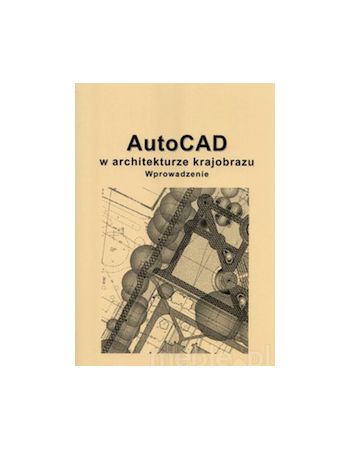
Skrypt „AutoCAD w architekturze krajobrazu - wprowadzenie" powstał na potrzeby zajęć prowadzonych na kierunku architektura krajobrazu. Jego celem (w części pierwszej) jest przybliżenie filozofii pracy z programem AutoCAD i zasad rysowania na płaszczyźnie. Staraliśmy się przedstawić tu najważniejsze polecenia i procedury ich użycia w taki sposób, aby w możliwie najkrótszym czasie Czytelnik mógł samodzielnie zapoznać się z programem i był w stanie wykonać bardziej skomplikowane projekty. W tym sensie przydatność skryptu została zweryfikowana, gdyż eksperymentalna grupa studentów ukończyła zajęcia prowadzone wyłącznie przez Internet z wykorzystaniem zawartych w skrypcie materiałów i zadań.
This new volume in the "DesignSource" series provides an astounding source of ideas and inspiration for homeowners, designers, and decorators. Hundreds of pages of diverse, individual examples display the diversity of design solutions that can be applied to any room. Here are ideas for arrangement, colour, texture, material, and finishes that illuminate the myriad ways to personalize spaces and create a dream home.