- Niedostępny


Indeks: Concrete Design
Dostępność: na zamówienie Today, concrete as a building material has a solid place in the designs of architects and engineers. The times when it used to be regarded as 'cold' and even 'brutal' are long gone now. On the contrary, the improved image of concrete is trendy and chic, but simultaneously unobtrusive and timeless.
Dostępność: na zamówienie Today, concrete as a building material has a solid place in the designs of architects and engineers. The times when it used to be regarded as 'cold' and even 'brutal' are long gone now. On the contrary, the improved image of concrete is trendy and chic, but simultaneously unobtrusive and timeless. Thanks to new technologies, in recent years it has also been used both outside and inside as a building material for facades. Considered an esthetic, high-quality material which is functional yet can still be decorative, it is the building material of our age. Concrete is used and valued throughout the world and across all cultures. The Western nations, as well as Japan and South America, are famous for their sensitively designed and constructed concrete buildings. This book shows a diverse selection of innovative and esthetic structures that have both private and public functions, including residences and schools, company buildings and exhibition structures. An index with the designer's contacts is also enclosed.
Dostępność: na zamówienie For a number of years, the healthy and environment-friendly building material earth, in common use for thousands of years, has been enjoying increasing popularity, including in industrialized nations. In hot dry and temperate climate zones, earth offers numerous advantages over other materials. Its particular texture and composition also holds great aesthetic appeal. The second and revised edition of this handbook offers a practical systematic overview of the many uses of earth and techniques for processing it. Its properties and physical characteristics are described in informed and knowledgeable detail.
W niniejszym poradniku ujęte są kompleksowo i jednoznacznie problemy związane z zasadami obmiaru i obliczania powierzchni użytkowych mieszkań oraz kubatury budynków lub ich części, które stanowią m.in. podstawę do sporządzania przedmiarów robót budowlanych w kosztorysowaniu nowo projektowanych budynków, a także (a może w szczególności) do sporządzania obmiarów w inwentaryzacjach budynków remontowanych lub przebudowywanych. Normowe zasady obmiaru i obliczania powierzchni w budynkach zostały przedstawione i skomentowane przy zastosowaniu układu tabelarycznego porównywalnych ustaleń PN-70/B-2365 z ustaleniami PN ISO 9836:1997.
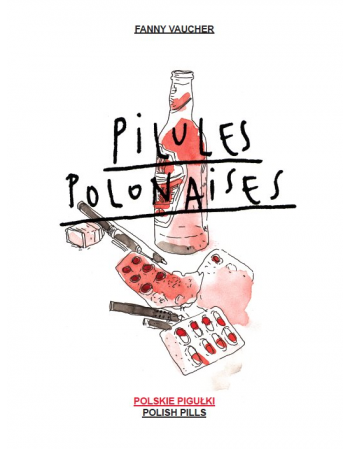
Fanny Vaucher – autorka niesamowitego bloga o Warszawie Pilules Polonaises, który już w grudniu nakładem wydawnictwa Bęc Zmiany ukaże się w formie książki, tak mówi o swoim projekcie: Pigułki przeciwbólowe towarzyszyły mi w przeprowadzce ze Szwajcarii do Warszawy – ich biało‑czerwony kolor jest zupełnie jak flaga Polski. Do dziś ich nie zużyłam, więc rok spędzony tutaj nie był aż tak bolesny. Zaczęłam prowadzić bloga Pilules polonaises bez refleksji o tym, „dlaczego to robię”, kompletnie spontanicznie, intymnie – dla siebie. Myślę, że na początku właśnie w ten sposób usiłowałam oswoić się z nowym środowiskiem. Ale nie nazwałabym tego terapią, raczej potrzebą zrozumienia, zbudowania więzi emocjonalnej z miejscem, próbą zakorzenienia się i polubienia swojego nowego otoczenia.
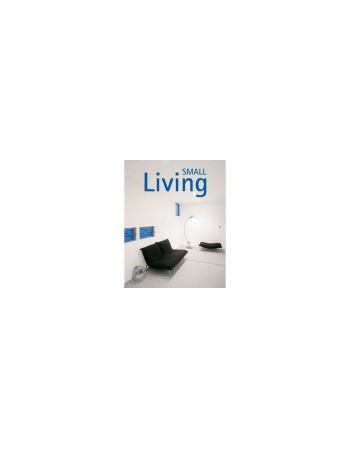
Interior designers are increasingly faced with the challenge of designing within small spaces. This compilation of projects from around the world pays special attention to the particular features of each space, the end result being determined by the pre-existing features and thus creating the optimum living experience. The property's location within the city, the building's architectural characteristics, its structure and the lighting and ventilation conditions are points of departure for the interior designer.
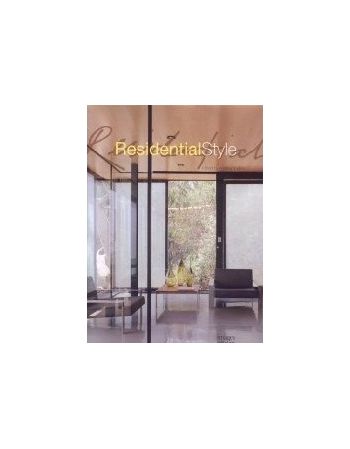
Dostępność; na zamówienie This publication brings together the most talented architects and designers worldwide to showcase inspirational and contemporary trends in residential interiors. Covering living, leisure, dining, kitchen, bathroom, bedroom and outdoor spaces, this full-colour book also features details that will excite architects, designers and all those who admire outstanding design. The mere mention of the word 'home' evokes feelings of warmth and belonging, suggesting places of refuge, retreat and personal space that are as much a personal statement of the resident's enjoyment of life, as testament to the skill of the designer.
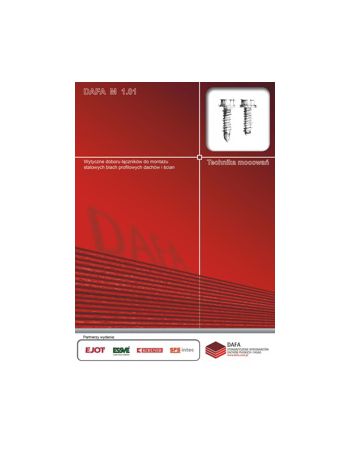
Trwałość właściwości łączników ma istotny wpływ na pracę nie tylko obudowy, lecz w wielu przypadkach całego układu konstrukcyjnego i innych elementów budynku. Konkurujące ze sobą firmy: EJOT TM, ESSVE, KOELNER i SFS intec podjęły się trudnego zadania określenia minimalnych standardów jakie powinny spełniać elementy złączne stosowane do montażu lekkich obudów z blach fałdowych. Opracowanie to nie jest więc materiałem reklamowym, poradnikiem projektowym ani katalogiem konkretnych producentów czy dystrybutorów, lecz ma być pomocą dla osób zajmujących się projektowaniem, montażem czy odbiorami obudów z blach.
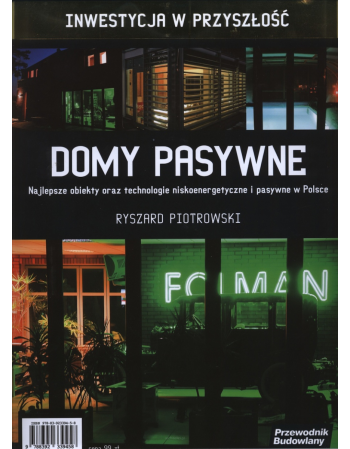
Przy dokonaniu zakupu samochodu zwracamy uwagę na aspekty niskiego zużycia paliwa, ponieważ odczuwamy to w codziennej eksploatacji. Samochód jest na pokaz, a dom? Dużo inwestorów mi odpowiadało, że po co „wymyślać i tak tego nie widać”. I budują domy z ociepleniem o grubości izolacji 5 cm (tak! tak! w roku 2009!) uważając sprawę energooszczędności za rozdział zamknięty. Nigdy nie spoglądaliśmy dalej niż za pierwszy zakręt, a powinniśmy spoglądać za piąty! Jak będzie wyglądała przyszłość budownictwa w Polsce? Ile będą warte nasze domy z . 10-15 lat?
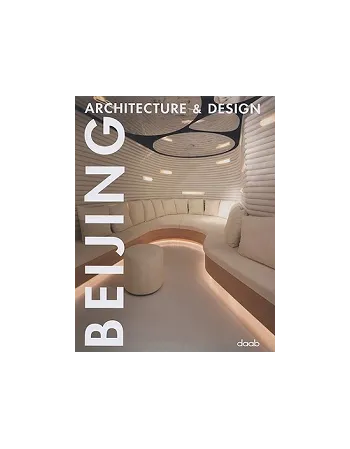
Apart from being one of Asia's largest metropolises, Beijing is an ultimate visual challenge. The country's growing economy and construction boom has attracted the attention of the world's finest architects eager to create masterworks in this city. The new is rapidly replacing the old in the country's political, economic and cultural center.

Dostępność: na zamówienie Today, concrete as a building material has a solid place in the designs of architects and engineers. The times when it used to be regarded as 'cold' and even 'brutal' are long gone now. On the contrary, the improved image of concrete is trendy and chic, but simultaneously unobtrusive and timeless.